Income Tax Installments for Canadian RMTs: What You Need to Know
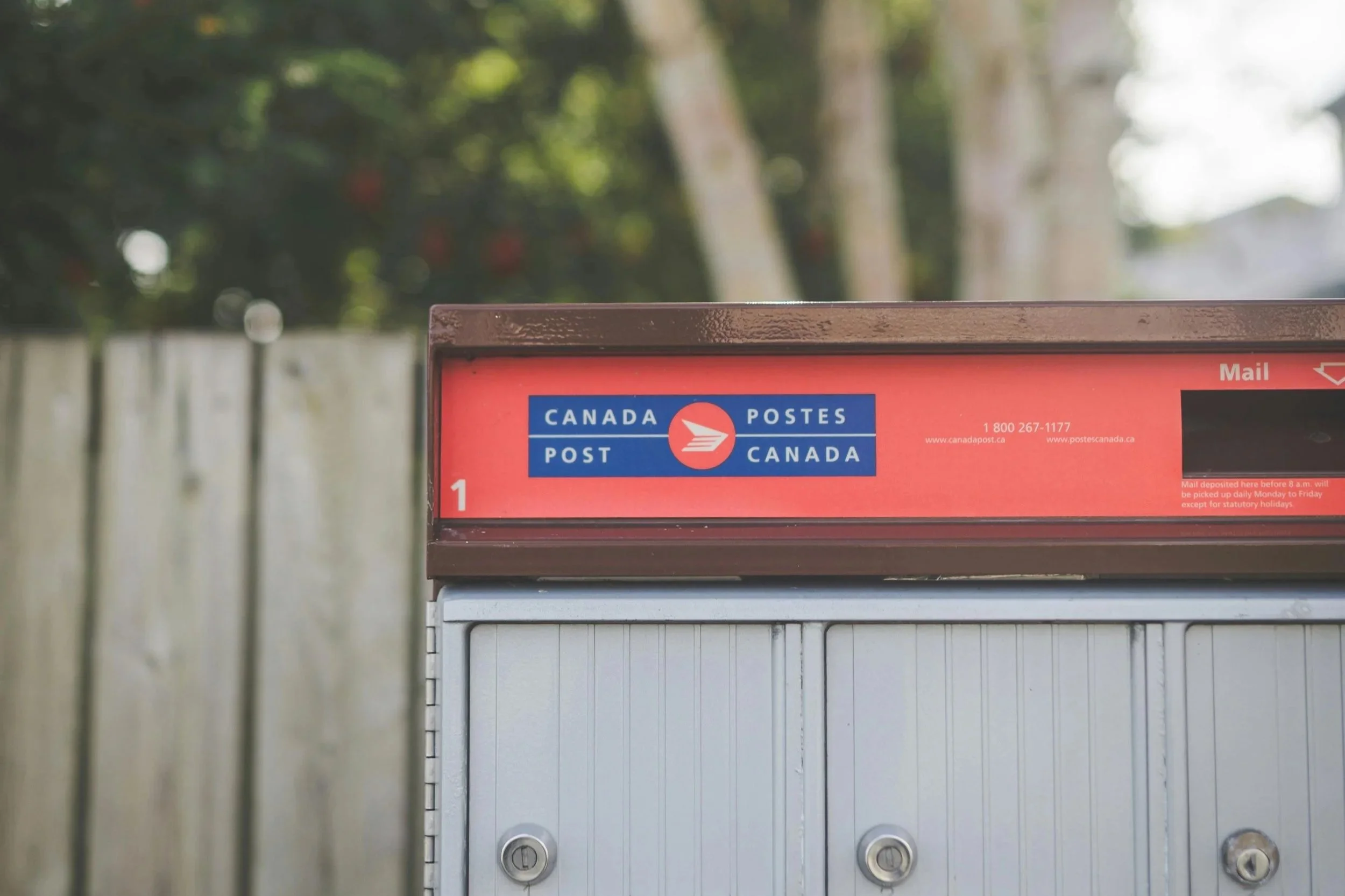
Imagine this: you’ve just finished a long day at the clinic, helping clients work out their knots and aches. You get home, open your mailbox, and there it is—a letter from the Canada Revenue Agency (CRA). It says you’re now required to pay income tax by installments.
Yikes!
If you’re like most RMTs, your first thought might be: What does this even mean? Am I in trouble?
Take a breath. You’re not in trouble. Installments aren’t a penalty—they’re just the CRA’s way of making sure people who don’t have taxes withheld from their pay (like employees do) pay throughout the year instead of all at once in April.
Let’s break down what this means, why RMTs often get these letters, and how you can deal with them (without losing sleep).
Why RMTs Get Installment Notices
As an independent contractor, no one is deducting tax off your paycheque. If you owed more than $3,000 in taxes when you filed your return last year (or $1,800 in Quebec), the CRA may ask you to pay installments for the next year.
This isn’t because you did anything wrong. It just means you’re successful enough that the CRA doesn’t want to wait a whole year to collect their share.
The Installment Schedule
If you’re asked to pay, the CRA sets four due dates each year:
March 15
June 15
September 15
December 15
If the 15th falls on a weekend or holiday, it bumps to the next business day.
My First Encounter with Installments (and Why I Freaked Out)
When my wife Melissa graduated from massage school and started working as an RMT, I was so proud of her. But there was one thing that terrified me more than anything else: income tax installments.
This was long before I became a CPA. At the time, I had zero clue what installments were, only that the CRA wanted them and that sounded scary.
So I went to a trusted CPA friend for advice. I poured out my concerns: I didn’t know what I was doing, I wanted to make sure I kept the CRA happy, and I definitely didn’t want to end up in their bad books. His answer?
“Yeah, you just need to pay tax by installments.”
Gee, thanks Captain Obvious! Super helpful!
Melissa still laughs about this because one of my habits today is giving simple “Well, you just do it” advice to complex problems. Back then, I was on the receiving end of it—and it wasn’t funny.
That’s why I’ve written this article: to give you the clear explanation I wish I had back then.
The CRA’s Three Installment Options
Here’s where a lot of people get tripped up: when the CRA sends you an installment reminder, the amounts they show are just one way of paying installments. You do not have to blindly pay whatever number is on that slip.
The CRA actually gives you three options:
1. No-Calculate Option
This is the one shown on the CRA’s reminder.
The CRA looks at your last two years of taxes and suggests amounts.
Super easy if your income is consistent.
The downside? If your income drops, these payments can be much higher than what you’ll actually owe.
Think of this as the “set it and forget it” option. Great if things are steady, but risky if your income is falling.
2. Prior-Year Option
You base your installments only on last year’s taxes (ignoring the year before).
This can be simpler than CRA’s calculation if last year is the best reflection of your income.
Works well if your current year will look a lot like the previous one.
This is like looking in the rearview mirror—you’re paying this year’s installments based on what last year’s trip looked like.
3. Current-Year (Calculate) Option
You estimate your actual income for this year and calculate your tax owing.
Divide that by the number of remaining installments and pay those amounts instead.
This is the best approach if your income is dropping or unpredictable.
The only risk is if you underestimate too much—you may owe interest.
This is the “pay what you really owe” option. It takes more effort but is the most accurate (and the most cash-flow friendly).
✅ The important thing to remember: you can choose whichever method makes the most sense for you. The CRA won’t ask for approval ahead of time—they only compare what you should have paid with what you actually owed when you file your tax return.
What If Your Income Drops?
This is the part that trips up a lot of RMTs. Someone recently asked in a Facebook group:
“What do you do when you have a big change in income? I usually pay the CRA’s suggested amounts, but this year I’ll be making way less and can’t afford it.”
Here’s the deal:
You don’t have to stick with CRA’s suggested amounts.
You can lower your payments if your income has dropped.
You won’t be penalized as long as your installments add up to what you actually owe at year-end.
The only risk is interest if you underpay—but if your estimate is reasonable, you’ll be fine.
For RMTs with variable income, it’s totally okay to adjust as you go. For example, look at your year-to-date earnings, make a reasonable projection for the rest of the year, and base your installment on that.
How Do You Actually Pay Installments?
This is the part most people don’t ask until the last minute—okay, but how do I actually send the CRA the money?
The easiest and most common method is through online banking, just like paying a bill. Here’s how:
Log into your online banking.
Add a new payee called “CRA – Tax Instalment” (wording may vary depending on your bank).
Enter your SIN as the account number.
Make your payment just like you would for any other bill.
Other options include:
Setting up pre-authorized debit through your CRA My Account.
Paying through the CRA’s online portal with a debit or credit card.
Paying in person at your bank with a remittance slip.
But honestly, online banking is the easiest for most RMTs.
The Bottom Line
Installments sound scarier than they are. For RMTs, here’s what to remember:
They’re just quarterly tax prepayments.
You can choose the method that makes sense for your income.
If your income drops, you can pay less—no permission needed from the CRA.
Online banking makes paying simple.
What once freaked me out doesn’t have to freak you out. With a bit of planning, you can stay on top of installments, keep your cash flow under control, and keep the CRA smiling.
Quick Checklist: 5 Things Every RMT Should Know About Installments
Installments aren’t a penalty—they’re just quarterly tax prepayments.
If you owed more than $3,000 last year, the CRA may ask you to pay them.
Due dates are March 15, June 15, September 15, and December 15.
You have three options (CRA’s suggested amounts, last year’s taxes, or your own current-year estimate).
The easiest way to pay is through online banking—set up “CRA Tax Instalments” as a bill payee and use your SIN.
If you’re interested in learning more, please check out my course Business & Income Tax Essentials for RMTs.

Disclaimer: This article is provided for general information purposes only and does not constitute tax, legal, or financial advice. While every effort has been made to ensure accuracy, tax laws and CRA policies can change, and individual circumstances vary. Registered Massage Therapists should consult with a qualified Chartered Professional Accountant or tax professional before making decisions about income tax installments.