Religious Clothing and Massage Therapy
My stomach dropped. As a massage therapy student and member of The Church of Jesus Christ of Latter-day Saints, I thought I had a good plan for accommodating my religious garments. One day, though, I forgot to bring regular underclothing and decided to keep my knee-length garments on while I was on the massage table. No big deal, I thought. We’re just working on the back today.
But mid-treatment, my fellow student decided to include the legs. She went to undrape, noticed the knee-length shorts, and asked, “What’s this? What are you wearing?” I suddenly felt exposed in a different way. I loved my garments—they were a sacred reminder of Jesus Christ’s protection and of my personal covenants with Him—but in that moment, I was embarrassed and unsure how to respond. I tried to hike them up so she could continue her work, fumbling through an explanation.
As massage therapists, we regularly invite clients to undress for treatment. But for many people, clothing and accessories carry deep spiritual or religious meaning. Understanding this can help us avoid awkward moments and ensure every client feels seen and respected.
I’ve had this topic on my mind for years but hesitated to write about it because it’s sensitive. Still, I believe it matters. I don’t claim to be an expert, so if I’ve missed something or gotten it wrong, I welcome correction.
General Guidelines
Treatment plan first. Use the intake to set clear expectations about areas of the body that are recommended to be treated. Explain why you might work in certain regions, ask for their consent, and adjust the plan if clothing or cultural needs mean modifications are required.
Prioritize comfort. Invite clients to undress to their comfort level instead of giving rigid instructions.
Privacy matters. Always step out of the room while clients change. Some may need the space and time to adjust multiple layers or garments that aren’t immediately visible.
Don’t assume. Clothing, jewelry, or symbols may carry sacred significance even if they look like everyday items.
Work around it. If something can’t or shouldn’t be removed, adapt your techniques.
Now let’s look at some specific traditions you may encounter:
Muslim (Islam)

Common items: Hijab (headscarf), niqab (full veil), or abaya (robe-like dress worn over other clothing). Clothing usually covers most skin.
Massage notes:
Women may not remove head coverings around men outside family.
Offer treatments around coverings (shoulders, hands, feet) and emphasize privacy.
If hair or scalp massage is requested, confirm comfort before proceeding.
Sikhism
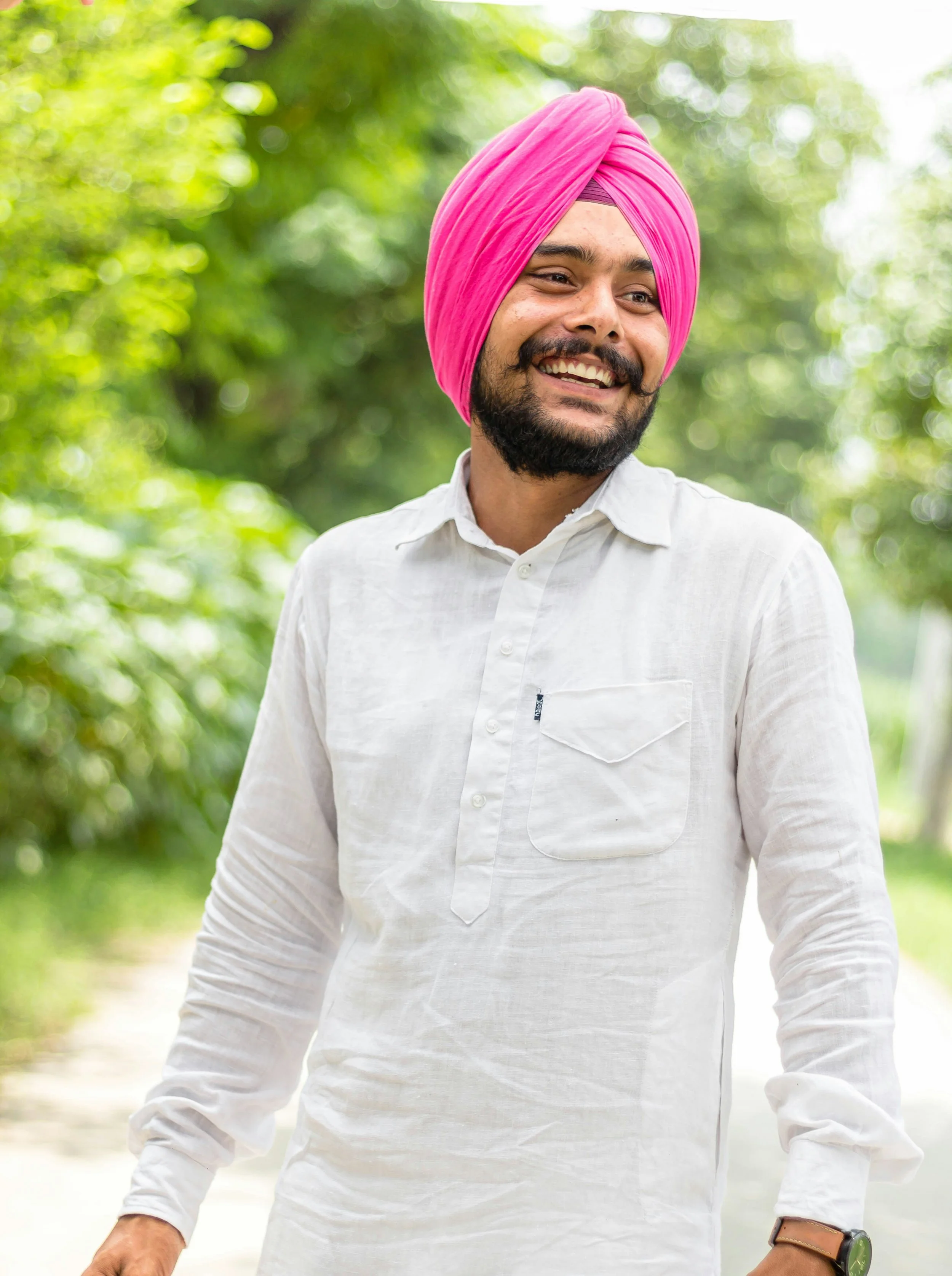
Common items: Turban (dastaar), uncut hair, steel bracelet (kara), ceremonial sword (kirpan).
Massage notes:
Do not ask clients to remove turbans or kara bracelets.
The kirpan is usually secured under clothing; drape respectfully around it.
Adapt techniques to work around these items.
Judaism
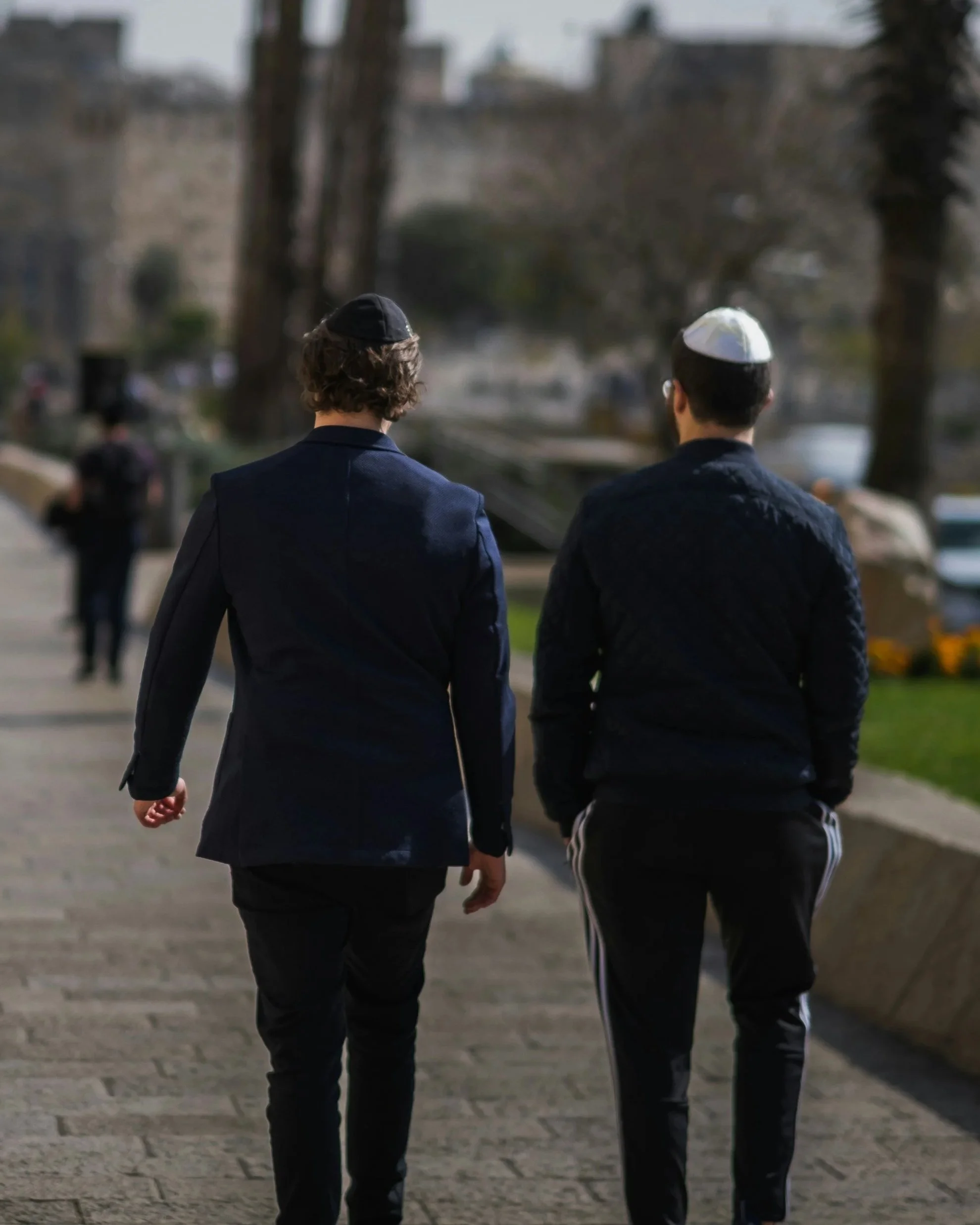
Common items: Kippah (yarmulke), modest clothing, wigs/headscarves for married Orthodox women.
Massage notes:
Do not ask for head coverings to be removed.
Some may prefer to keep more clothing on — adapt accordingly.
Be mindful of the Sabbath (Friday evening–Saturday evening) and Jewish holidays when scheduling.
The Church of Jesus Christ of Latter-day Saints (Mormon)
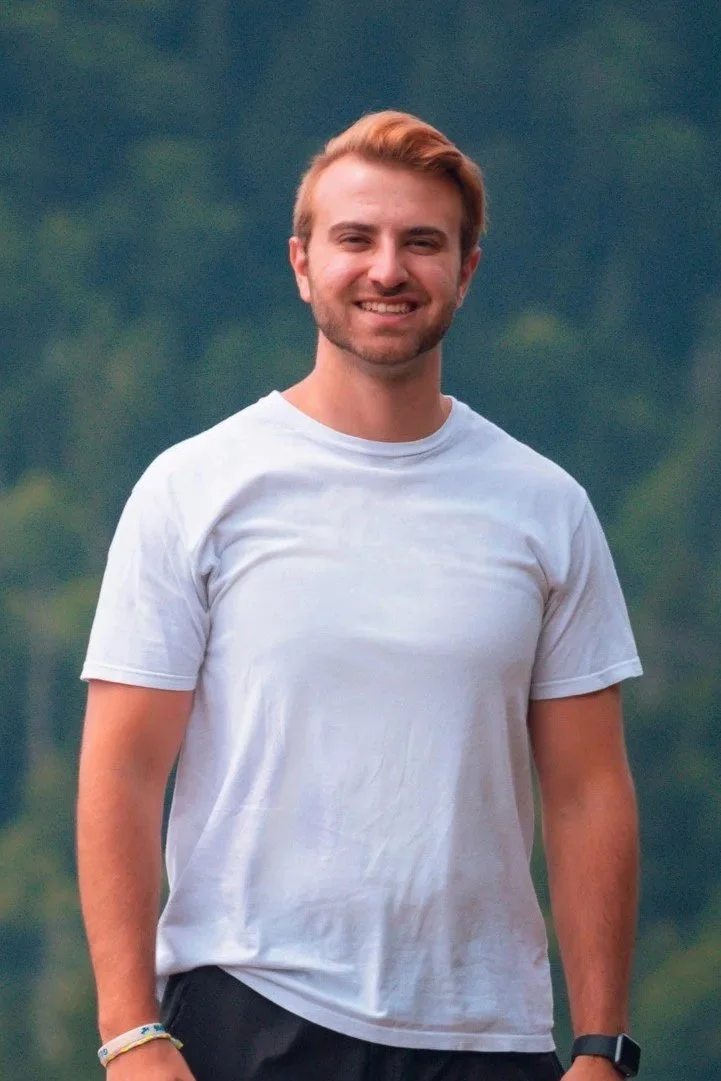
Common items: Temple garments worn under regular clothing. (Looks like a white T-shirt or tank and shorts)
Massage notes:
Most members change into regular underwear before treatment but require full privacy.
Some may keep garment bottoms on; respect either choice without comment.
Adapt treatment to work around what remains covered.
Hinduism
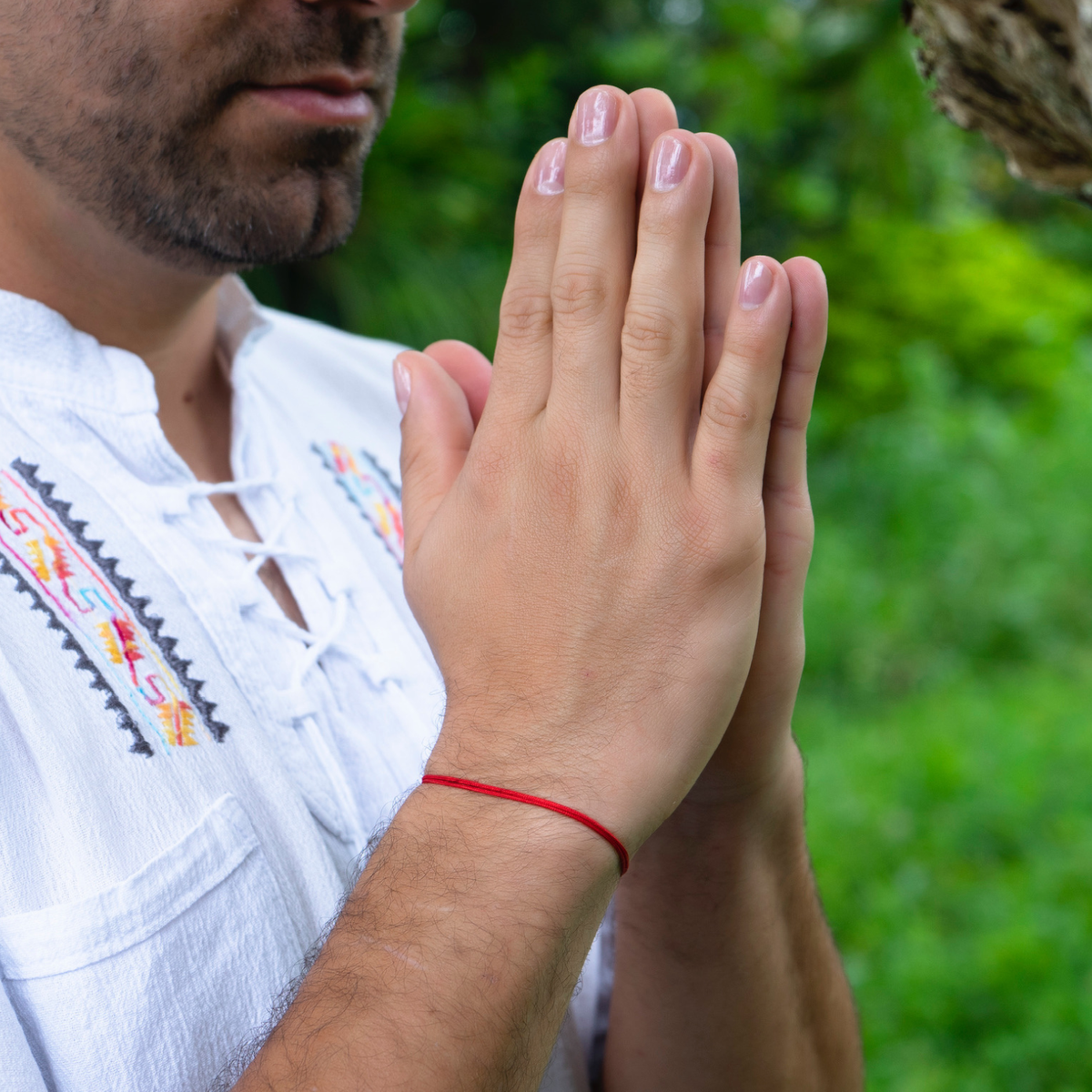
Common items:
Sacred thread (janeu/yajnopavita): Worn diagonally across the chest by some men.
Thread bracelets or strings (kalava/mouli): Tied on the wrist during prayers or festivals.
Bindi or tilak: Forehead markings with spiritual meaning.
Mangalsutra: A sacred necklace worn by some married women.
Massage notes:
Do not cut, untie, or remove sacred threads or jewellery. Work around them.
Christianity
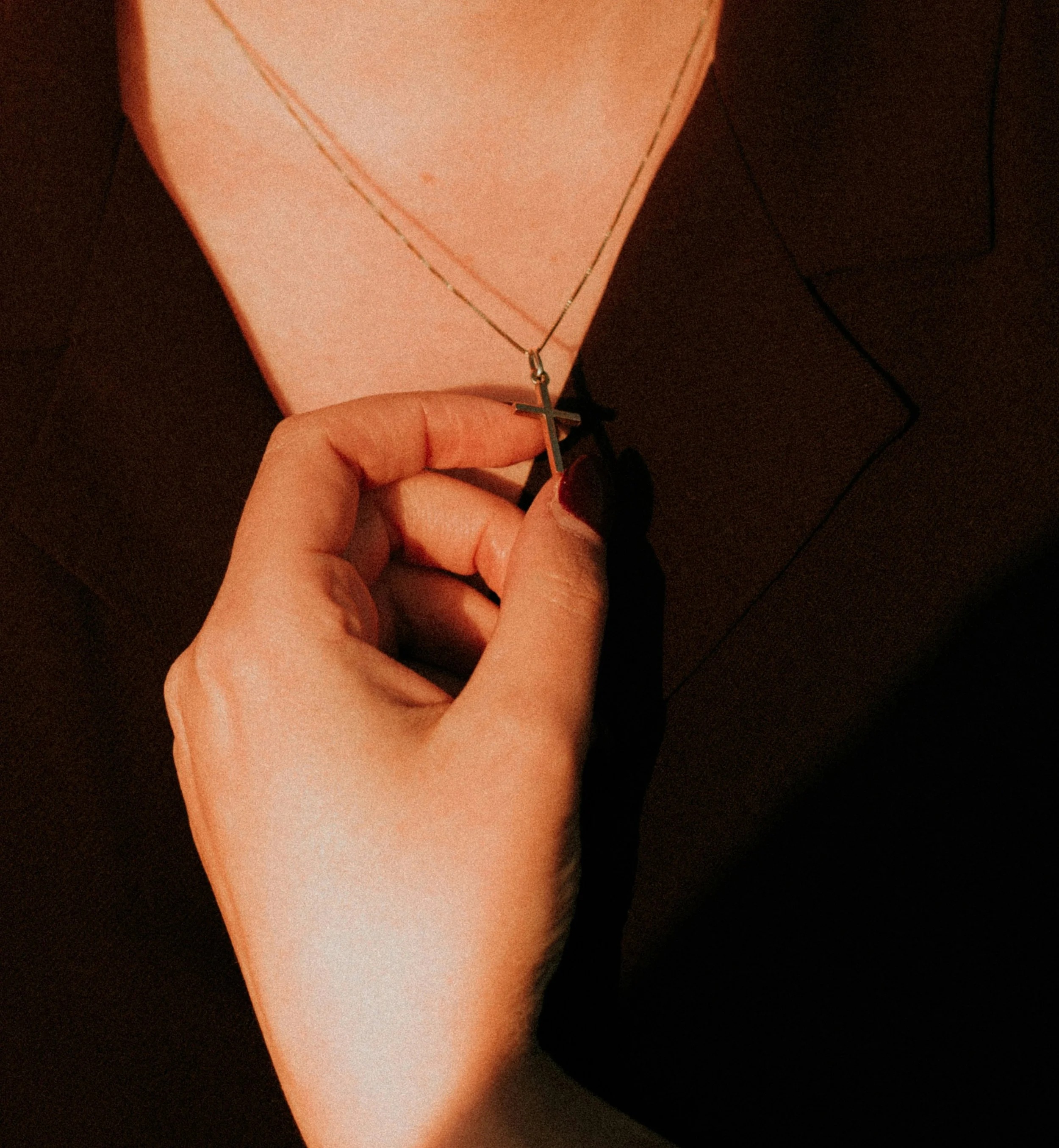
Common items: Cross or crucifix necklaces, medals of saints, scapulars (two small pieces of cloth connected by cords, worn under clothing).
Massage notes:
Some clients will remove necklaces for comfort, but never pressure removal of crosses or scapulars.
A neutral script: “You’re welcome to remove jewelry for comfort, but it’s completely up to you.”
Buddhism
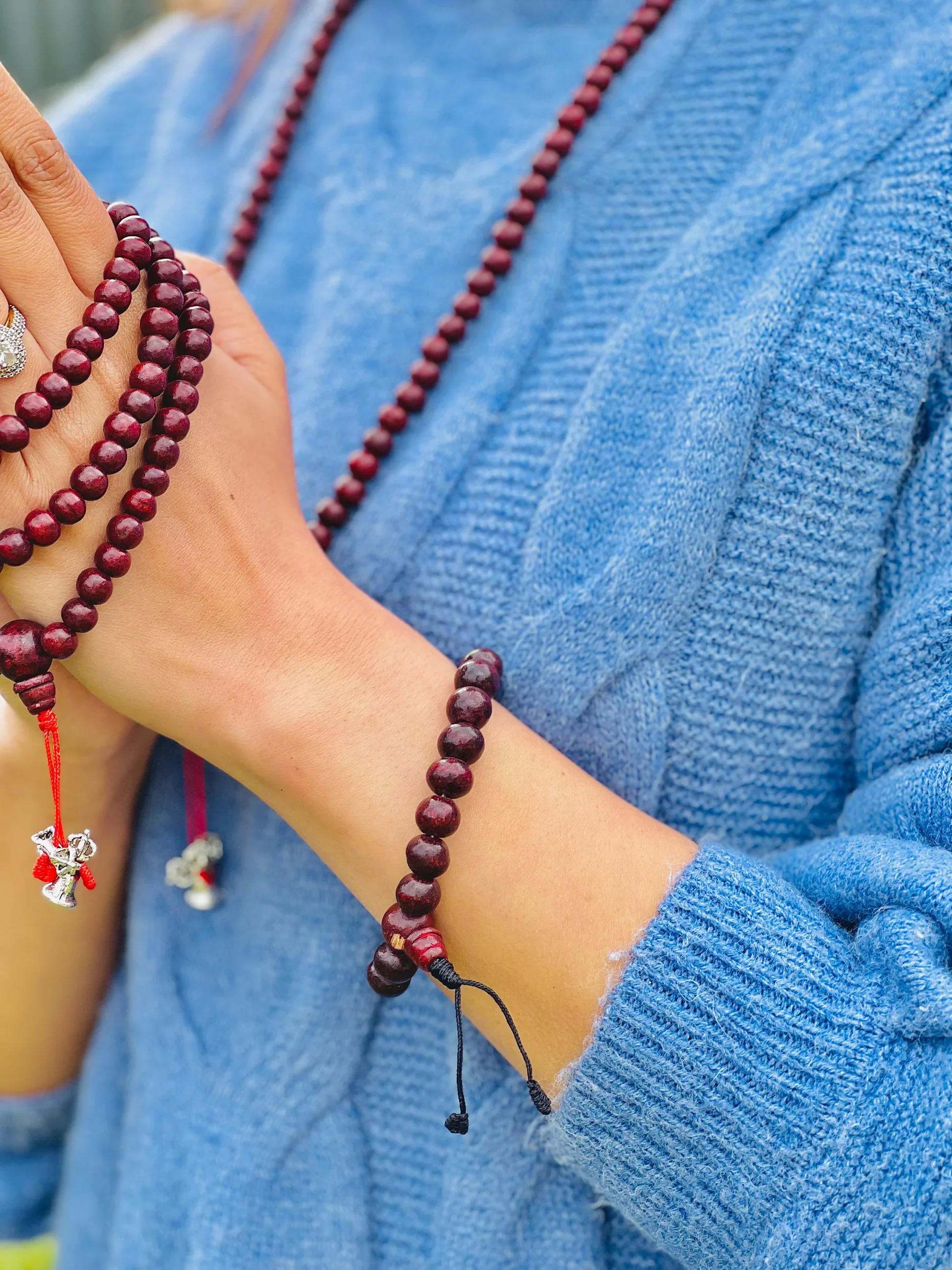
Common items: Mala beads (prayer beads), often worn as necklaces or bracelets. Monks/nuns may wear robes.
Massage notes:
Mala beads are usually left on and should not be handled without permission.
Work respectfully around them.
Amish/Mennonite/Hutterite
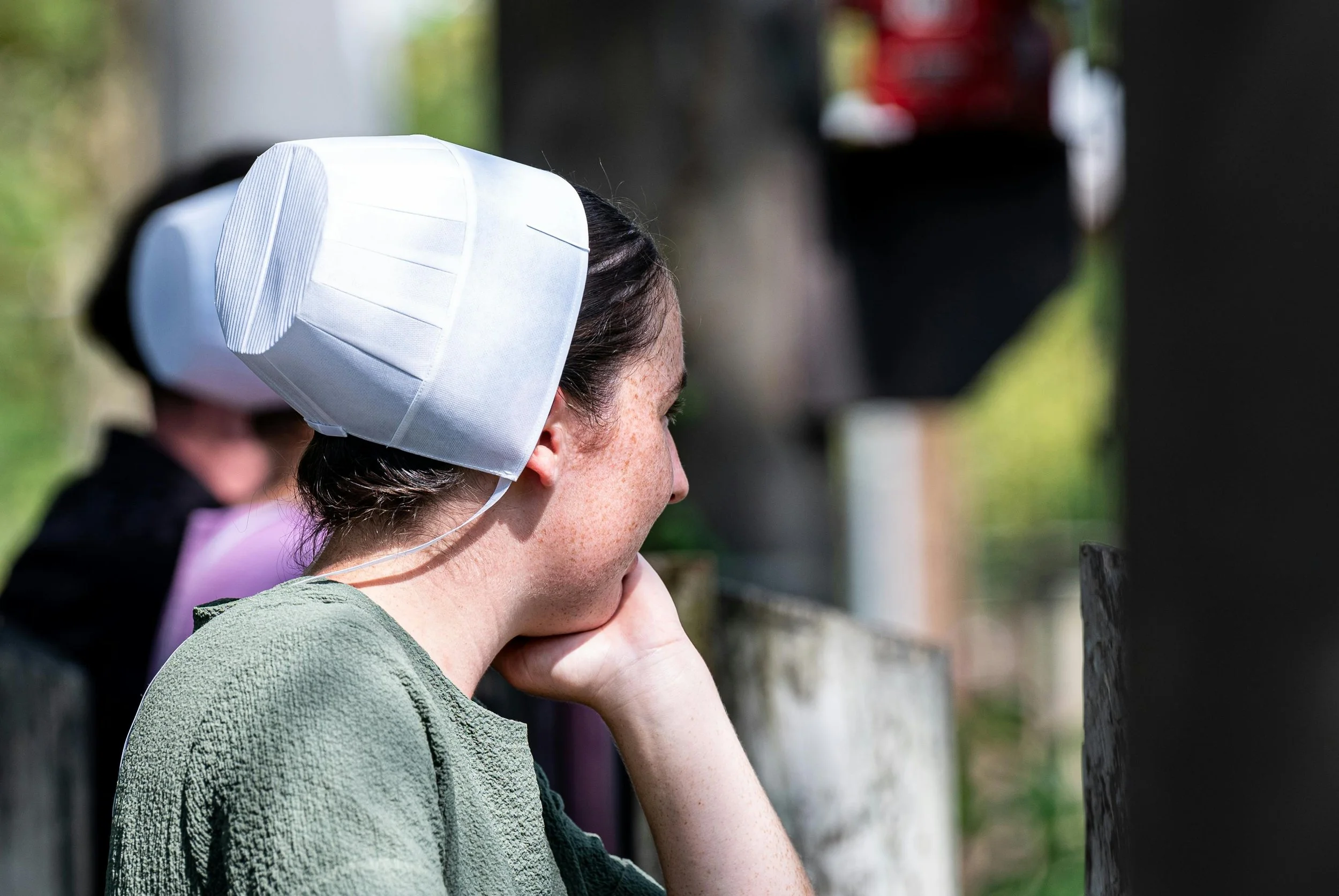
Common items: Modest, plain clothing; women often wear prayer coverings or bonnets.
Massage notes:
These groups share Anabaptist roots and each has its own traditions, but the same general considerations apply:Do not ask clients to remove head coverings.
Many will prefer to stay more clothed as modesty is a core value.
In some communities, only women may seek massage, usually from female therapists.
Other Considerations
Rosaries (Catholic/Christian): Usually kept in a pocket or bag, but occasionally worn around the neck. Treat with respect.
Anklets, rings, or tattoos: Some cultures (Hindu, tribal, Polynesian, etc.) wear religiously significant jewelry or markings on the body. Always ask before moving or adjusting.
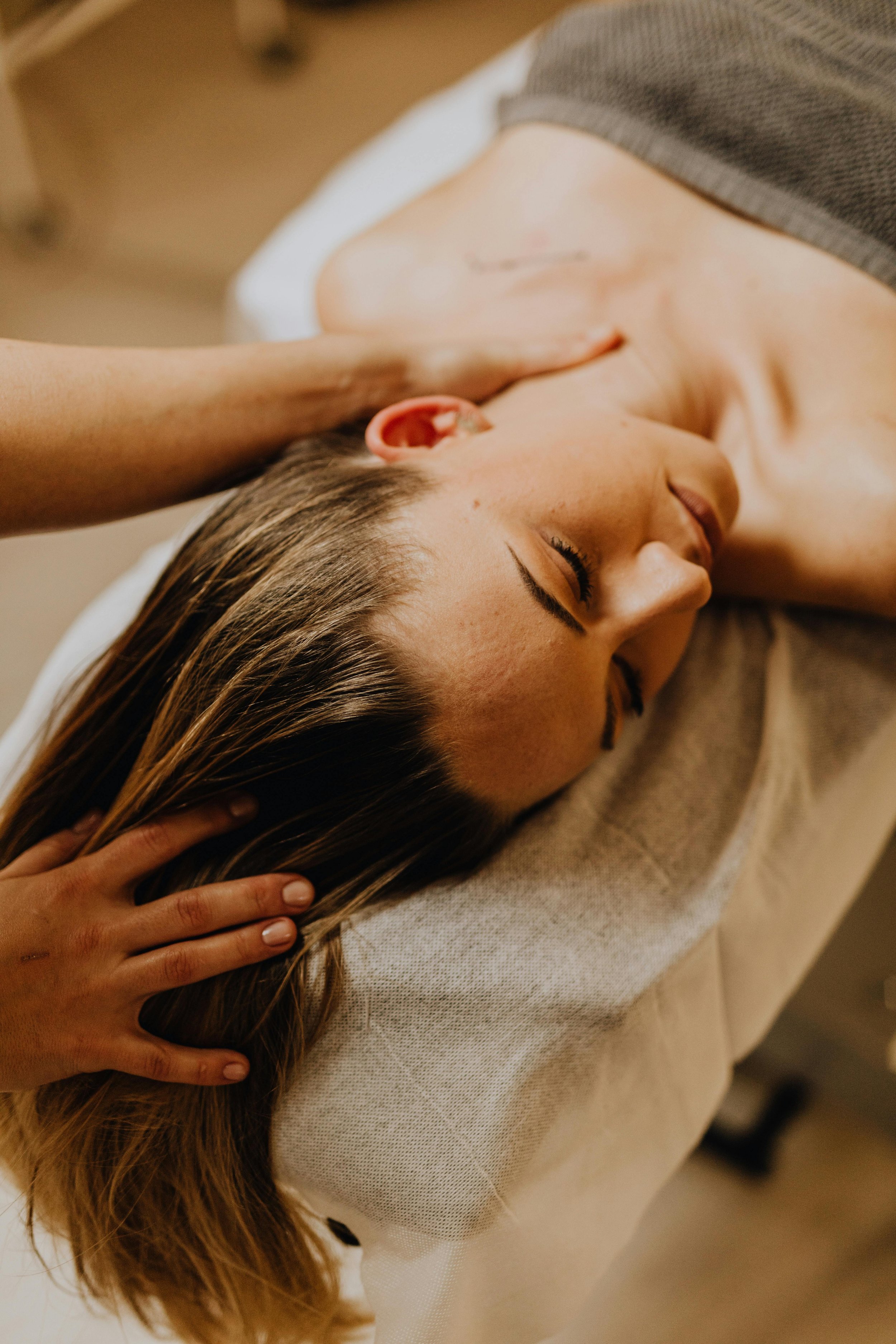
Hair: For some faiths and cultures (Sikh, Rastafarian, Orthodox Jewish, Muslim, and Indigenous people for example), hair is sacred and not cut. Avoid assuming permission to touch hair.
Final Thoughts
Religious clothing and symbols are often deeply personal. As RMTs, our role isn’t to memorize every tradition but to build trust through respect and flexibility. When in doubt, a simple, open statement like:
“You’re welcome to leave on anything that’s important to you, and I’ll adjust the massage around it.”
goes a long way in creating a safe, inclusive space for all clients.